An engagement ring is the rare purchase that is simultaneously a piece of jewelry, a family heirloom-in-waiting and a story told in metal and stone. Buying a preset ring from a case settles for someone else’s proportions, someone else’s stone and someone else’s taste. Designing a custom ring settles for none of that.
This guide walks through every decision in the order you will actually make it, with realistic budgets and the trade-offs professional designers discuss with clients every week.
1. Start with her style — not the stone
Open the camera roll you wish you did not have to study: what metal does she wear daily? Delicate and minimal, or layered and ornate? Does she lean vintage, modern, or bohemian? Her existing jewelry predicts her ring far better than any trend list. When in doubt, enlist a best friend or sister — they usually know, and they are usually flattered to be asked.
- Classic & timeless: solitaire or three-stone, 1.8–2.2mm polished band
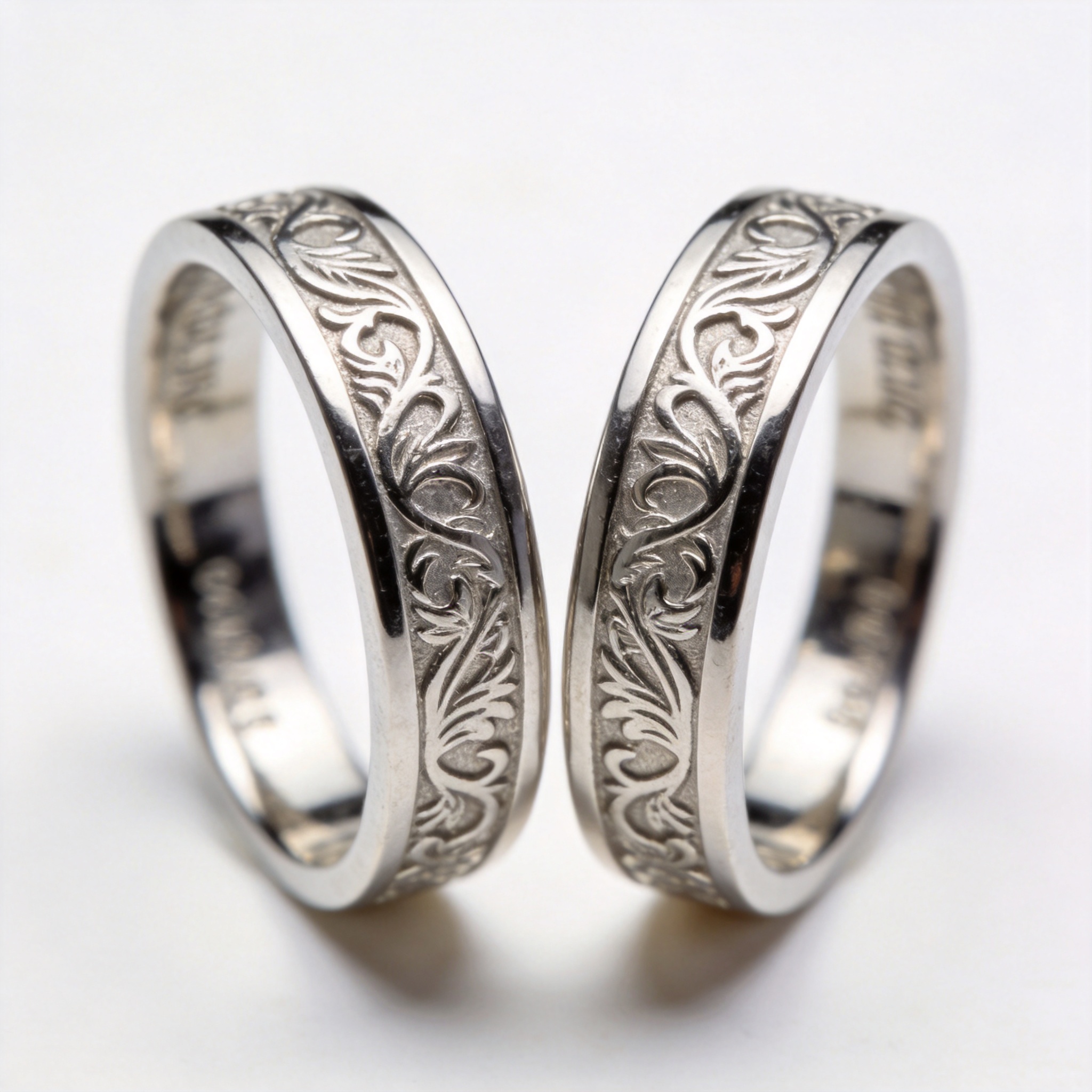
- Vintage & romantic: halo, milgrain, filigree or hand-engraved details
- Modern & architectural: bezel set, tension style, mixed metals
- Nature-inspired: floral prongs, leaf scrolls, organic curves
2. Choose the center stone: diamond or gemstone
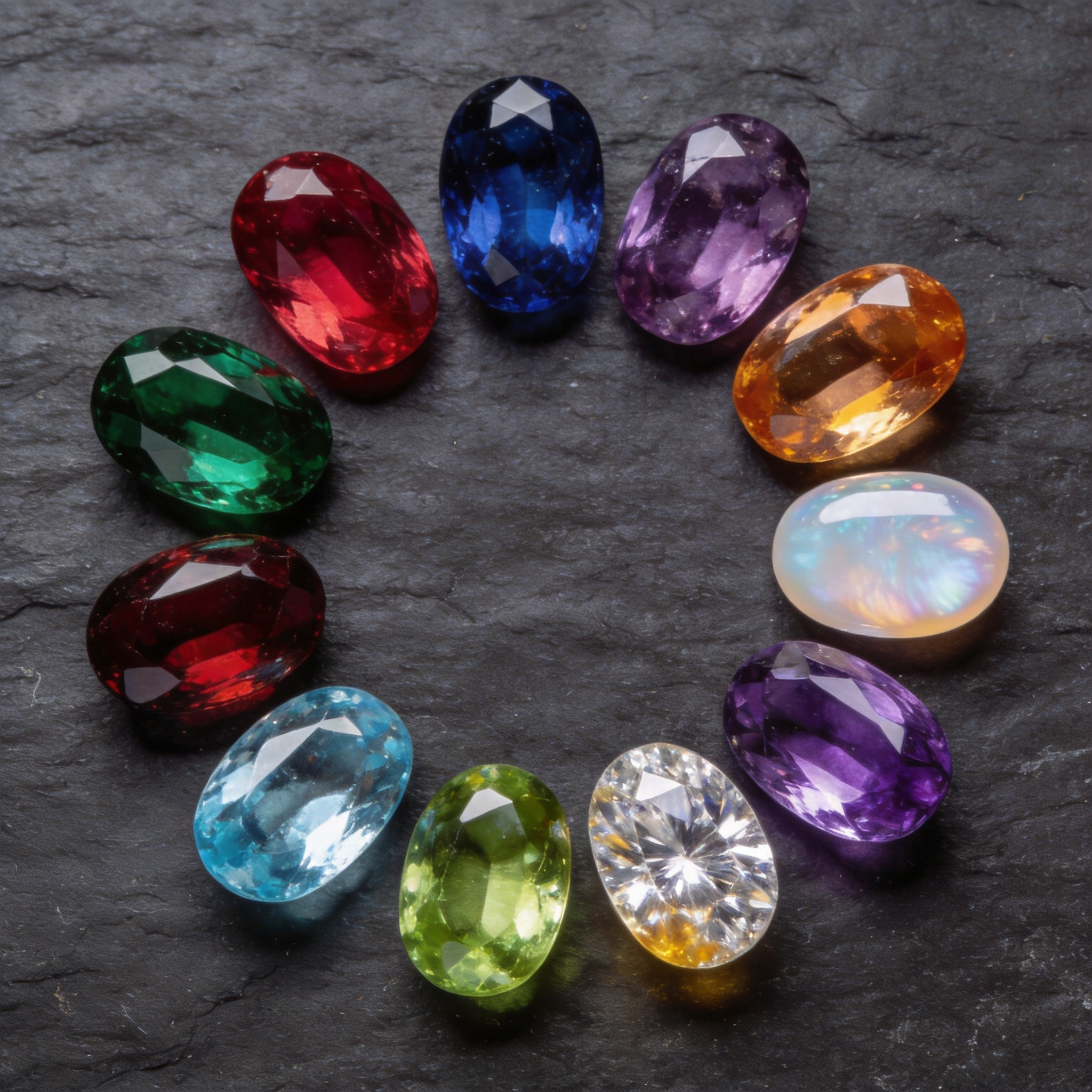
The center stone typically represents 60–80% of the ring’s cost, so this is where budget decisions are won or lost. Natural diamonds, lab-grown diamonds and genuine gemstones are all legitimate choices — they simply trade different things.
- Natural diamond: rarest, strongest resale narrative, highest price per carat
- Lab-grown diamond: identical physical and optical properties, typically 60–80% less per carat, allows a much larger stone within the same budget
- Moissanite: near-diamond brilliance at roughly a tenth of the price, slightly more rainbow fire, 9.25 on the Mohs scale
- Sapphire (including fancy colors): 9/10 hardness and a romantic legacy — royalty has chosen sapphires for centuries
For diamonds, prioritize the 4Cs in this order for visual size: cut first (it drives sparkle), then color and clarity only to the eye-clean threshold, then carat. A well-cut eye-clean SI1 stone will out-sparkle a poorly cut VS stone every time.
3. The four Cs without the overwhelm
- Cut: the only factor entirely controlled by human hands. Choose Excellent/Ideal and do not compromise here.
- Color: G–I is the sweet spot for white metal; the face-up difference against a D stone is invisible to nearly all observers.
- Clarity: VS2–SI1 from a reputable grading report is eye-clean territory; inspect images or video before buying.
- Carat: measure her finger size first — the same carat looks larger on a size 5 than a size 8. Consider spread (diameter) alongside weight.
4. Pick the metal and the setting
14K gold is the engagement-ring workhorse: hard enough for daily wear, rich in color, and less expensive than 18K. Yellow gold flatters warmer stones and vintage styles; white gold is bright and rhodium-finished; rose gold is romantic and flattering on most skin. Platinum is denser, naturally white and hypoallergenic, with a premium price.
Setting choice should follow lifestyle. Active hands, gym-goers and nurses tend to be happier in bezel or flush settings that protect the girdle; classic four- and six-prong heads maximize light and make a round stone look rounder; halos add roughly a full visual carat size and cover minor edge chips.
5. Budget realistically for a custom ring
A custom ring separates into two transparent costs: the design (paid CAD, revised until you approve) and the materials plus craftsmanship. In the US market, a finished custom ring with moissanite in 14K gold sits at the entry of the fine-custom range, a 1ct lab-grown diamond steps up meaningfully, and a certified natural diamond sits at the top. Because every design is quoted individually, we never publish one-size-fits-all prices — flexible installment plans mean the timeline does not have to wait for the full sum.
◆Timing note
A custom ring typically takes 3–5 weeks from approved CAD to delivery, plus shipping. Begin the conversation at least six weeks before you plan to propose — earlier during the November–February season.
6. The custom design process, start to finish
- 1Free consultation: style, budget, timeline and reference images
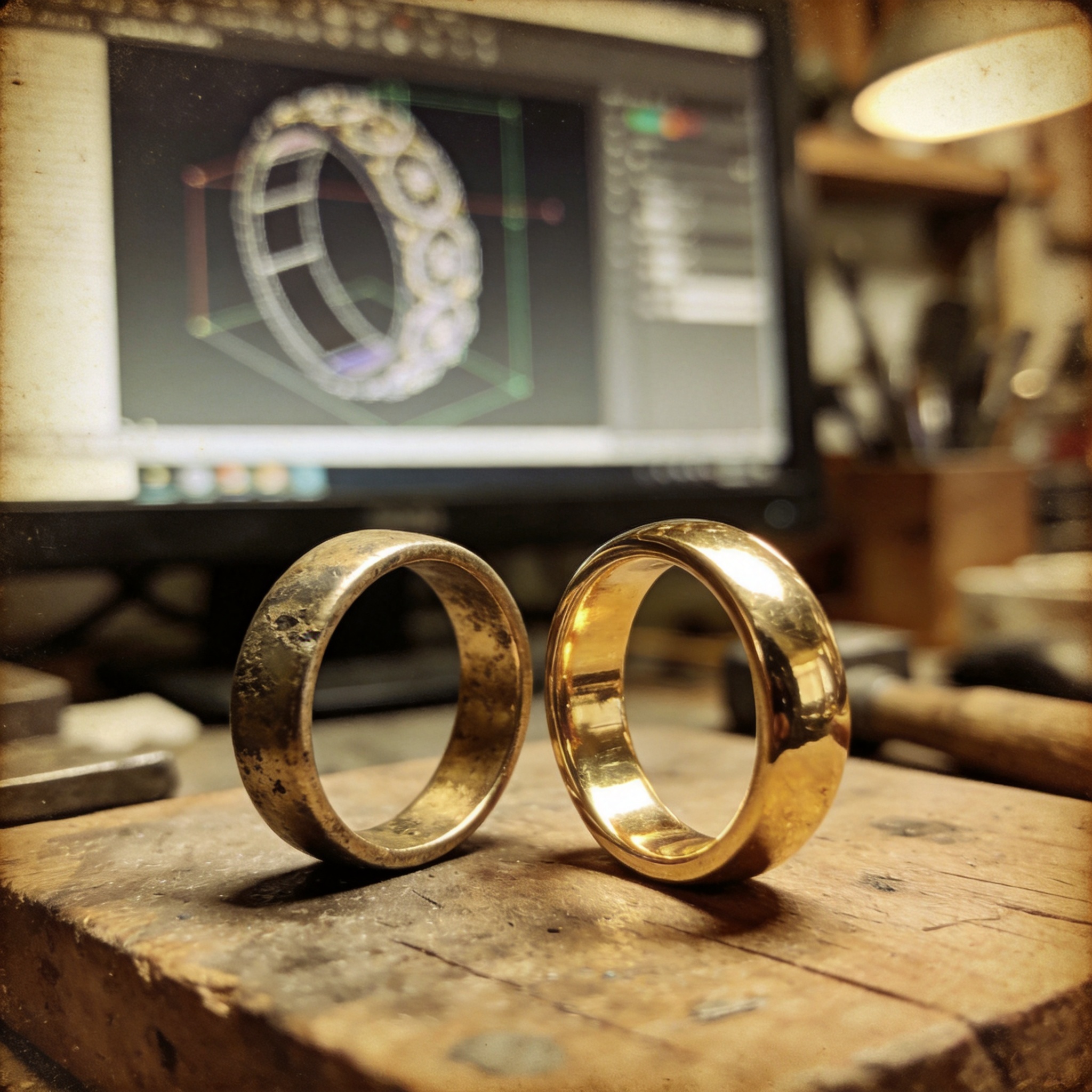
- 2Paid CAD design: first 3D renders, then unlimited revisions until you approve
- 3Stone sourcing and confirmation: you see the actual stone data or photos before it is set
- 4Crafting: wax model, casting, hand-setting, polishing and triple quality inspection
- 5Photo approval and insured delivery: your ring photographed before it ships
Begin your ring the right way
You only propose once. Tell us about her style and your budget — we will recommend the stone, setting and metal combination that maximizes both, and show it to you in 3D before a single piece is made.

Written by
Lisa M.
Lead Jewelry Designer · 25+ years at the bench. Lisa has designed custom pieces for clients in 60+ countries, from single-name necklaces to heirloom redesigns.