10K, 14K, 18K, 24K. White, yellow, rose. Gold is the most personal decision in jewelry after the stone — and the most commonly misunderstood. None of these is simply “better”; each is a different alloy engineered for a different job.
What a karat actually measures
Pure gold is 24 parts out of 24 — 24K. It is also too soft for jewelry: it bends under daily wear and scratches under a fingernail. Jewelers alloy pure gold with other metals (silver, copper, zinc, nickel or palladium) to harden it and adjust its color. The karat stamp tells you how many of those 24 parts are gold.
- 9K: 37.5% gold — hard, affordable, common in the UK and Europe; legally “gold” there but not in the US
- 10K: 41.7% gold — the minimum legal karat stamped “gold” in the US; the most scratch-resistant
- 14K: 58.5% gold — the engagement-ring standard: the strongest balance of color, durability and price
- 18K: 75% gold — deeper, warmer color; softer and pricier, the luxury choice for occasional pieces
- 24K: 99.9% gold — investment and cultural jewelry; not recommended for daily-wear rings
Yellow, white and rose gold
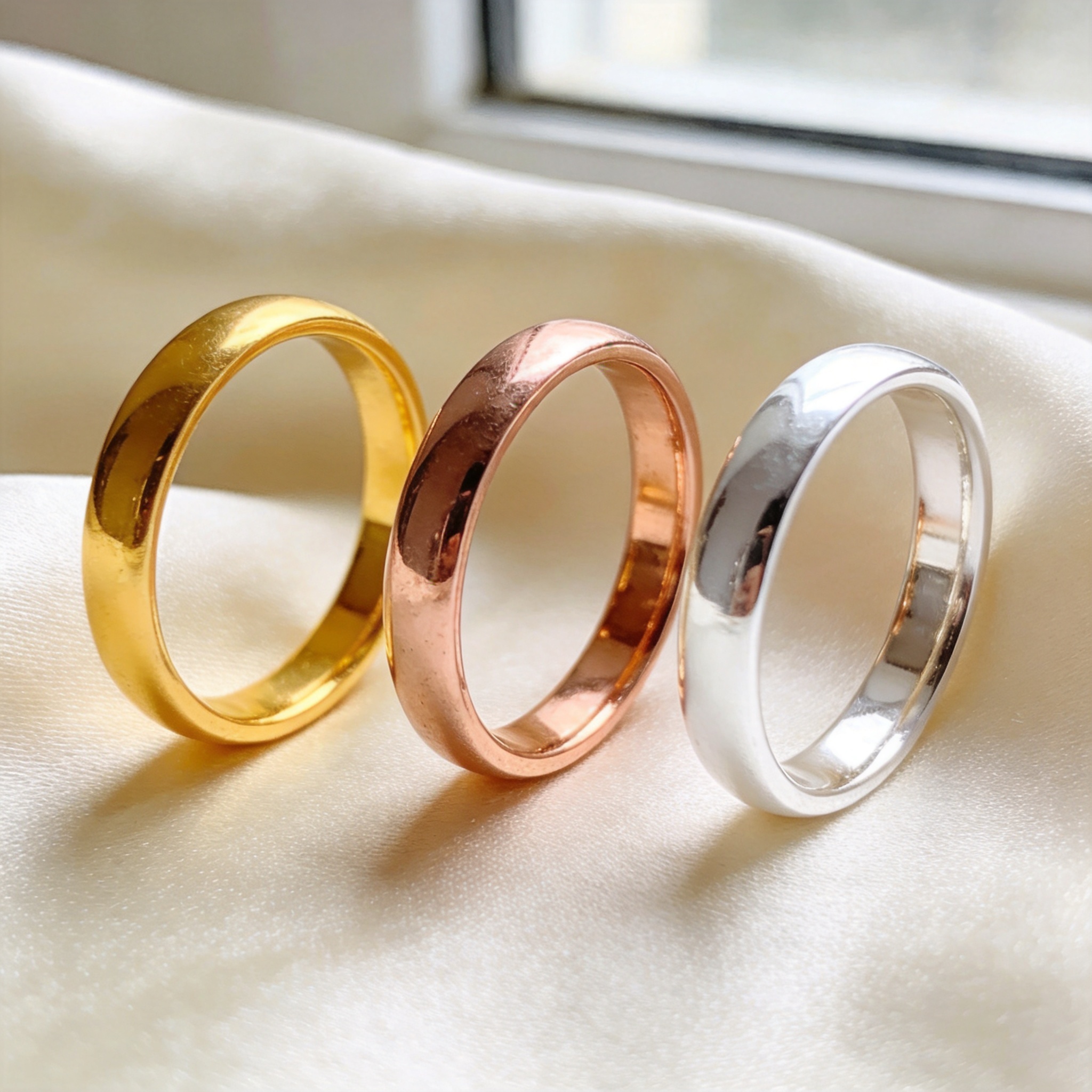
The color comes entirely from the alloy mix. Yellow gold pairs gold with silver and copper, and higher karats show a deeper butter-yellow tone. White gold alloys with nickel or palladium and is plated with rhodium for its bright finish (a re-plating every 12–24 months restores it). Rose gold replaces some silver with extra copper — the most romantic tone and, thanks to copper, a hard-wearing one.
◆Skin and metal
If jewelry leaves a dark or greenish mark, the culprit is usually the alloy metals rather than gold itself — most often nickel in cheap white gold. Choose 14K+ white gold with palladium alloys, platinum or rose gold for sensitive skin.
Choosing by how the piece will be lived in
- Engagement & wedding rings worn daily: 14K (any color) is the default recommendation; platinum for those who want maximum density and a permanently white finish
- Pendants, earrings, brooches: 18K is wonderful — they see far fewer knocks and the richer color shows
- Budget-conscious daily jewelry and sturdy men’s pieces: 10K is legitimately tough and cost-effective
- Cultural, ceremonial or investment pieces: 21K/22K/24K as tradition requires, worn accordingly
925 silver, platinum and the alternatives
Sterling silver (92.5% silver) is the most affordable precious metal: bright, beautiful and perfect for fashion and occasional pieces — it simply requires occasional polishing and is softer on stones. Platinum is rarer, denser and heavier than gold, naturally white and hypoallergenic, ideal for securing valuable diamonds. Steel and titanium own the casual, mens and body-jewelry categories with near-indestructible hardness at low prices.
Stamps and what they promise
A genuine piece carries a hallmark — 10K/417, 14K/585, 18K/750 — sometimes with the maker’s mark. (585 means 58.5% gold; the numbering is parts per thousand.) Vermeil is gold-plated sterling silver; gold-filled is a thick bonded gold layer; gold-plated costume jewelry is neither. If a price looks impossible for solid gold, it usually is.
Mixing metals is a feature, not a mistake
An engagement ring in white gold with a wedding band in yellow, a two-tone pendant, rose gold prongs on a white shank — mixed metals look intentional and personal, and they future-proof the piece against wardrobe changes. Custom work makes combinations like these trivial.
Still deciding?
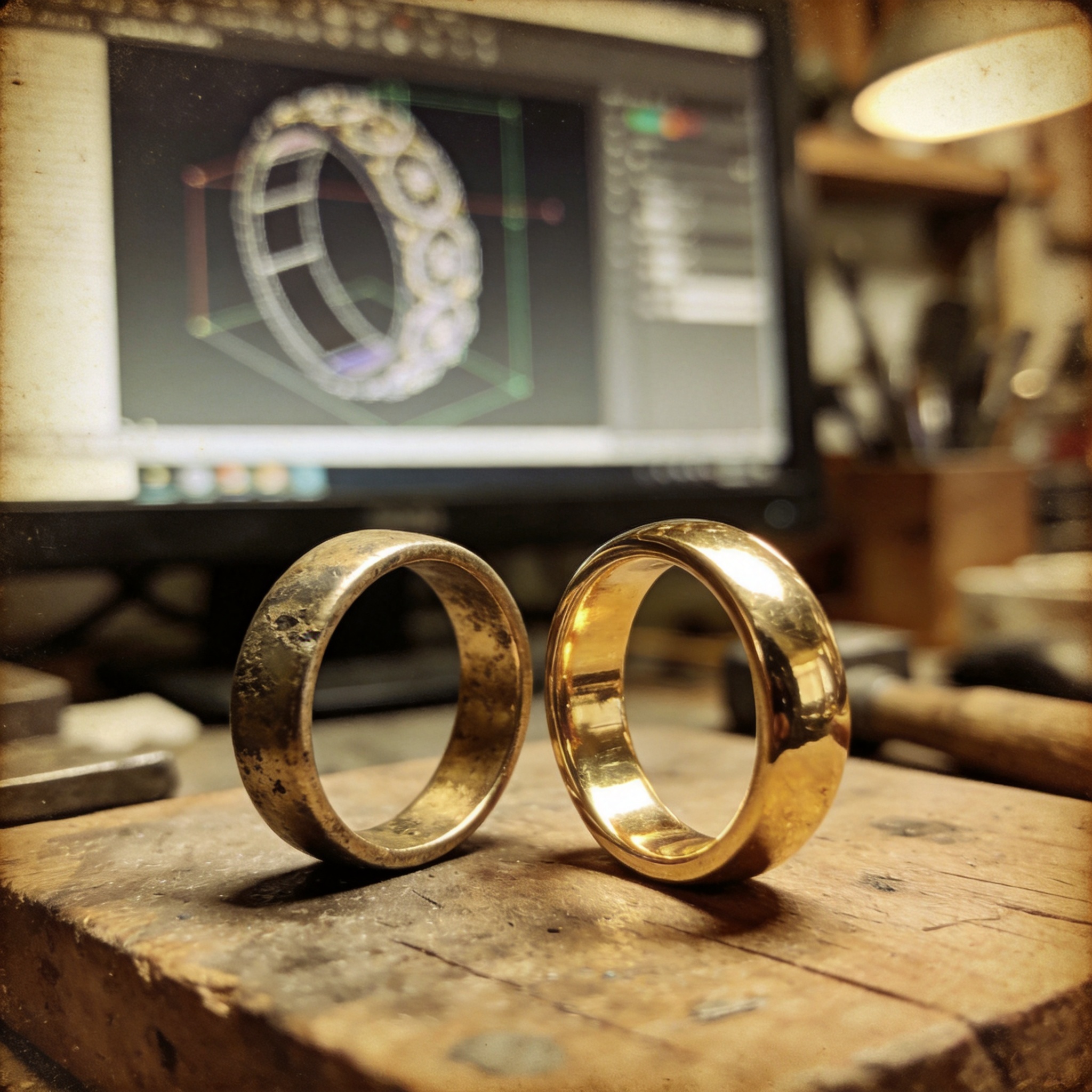
Tell us what the piece is and how it will be worn. We will recommend the karat and color that will look best and age best — and show you samples in your CAD renders before you commit.

Written by
Lisa M.
Lead Jewelry Designer · 25+ years at the bench. Lisa has designed custom pieces for clients in 60+ countries, from single-name necklaces to heirloom redesigns.