Fine jewelry is made to outlast its owner — but only with the lightest, most regular care. Most damage jewelers see is not wear from decades of love; it is one afternoon with the wrong cleaner, a snag on a gym handle, or years of lotions dulling stones that could still sparkle. These are the rules professional jewelers follow for their own pieces.
The daily routine: last on, first off
Jewelry should be the last thing you put on and the first thing you take off. Perfume, hairspray, lotion and makeup contain chemicals and oils that cloud gems and dull metal over time. Establish one place — a small dish or lined box near where you undress — so taking rings off becomes automatic.
- Remove rings before washing dishes, showering, cleaning, gardening and exercise
- Never swim in chlorinated pools wearing gold jewelry — chlorine pits alloys over repeated exposure
- Take pieces off before applying hand cream; let cream absorb fully before rings go back on
- Store pieces separately or in individual pouches so harder stones do not scratch softer ones
Cleaning at home, stone by stone
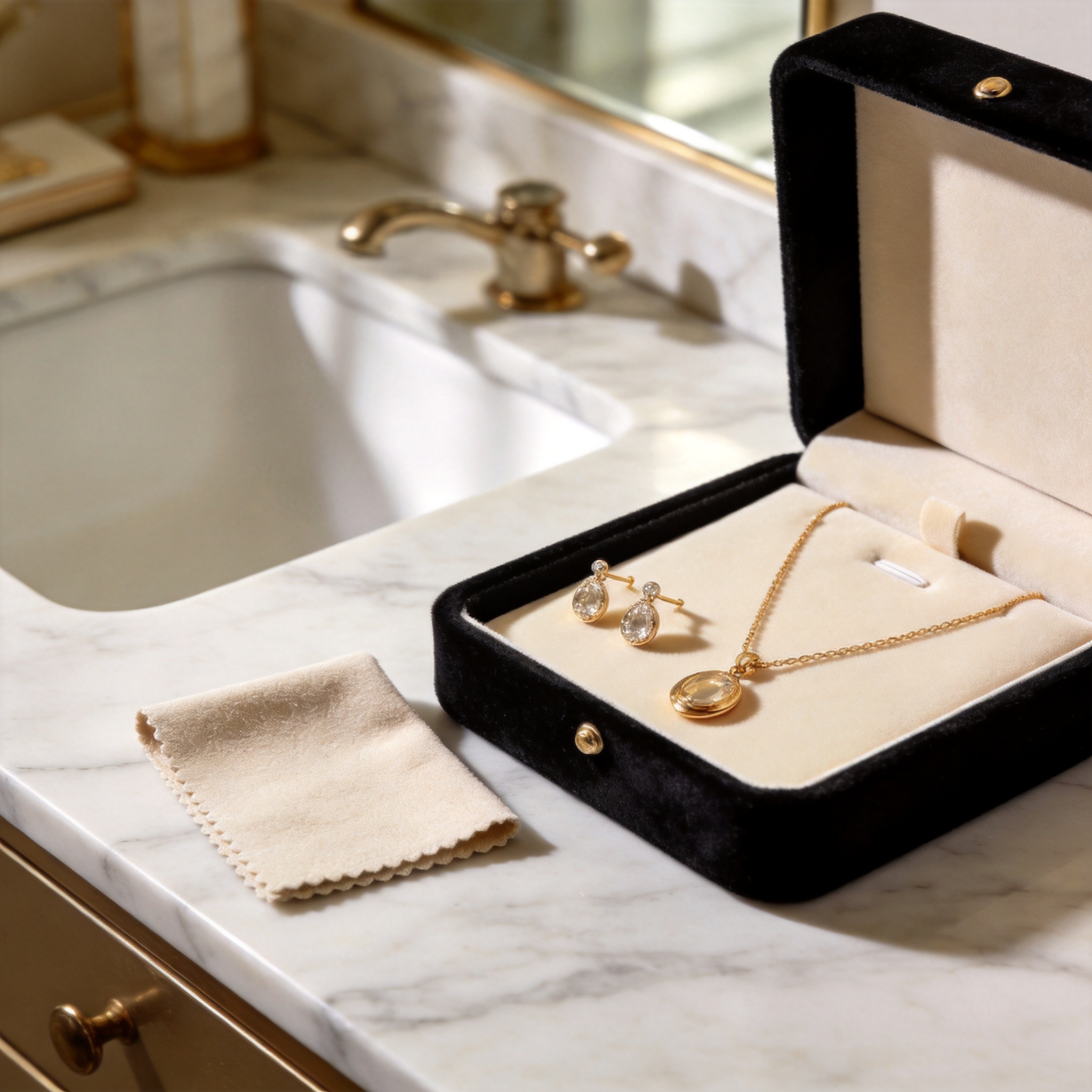
For diamonds, sapphires, rubies and solid gold: warm (not hot) water, a tiny drop of mild dish soap, a soft children’s toothbrush behind the stone where oils collect, a clean rinse and a lint-free cloth. This alone restores 90% of “lost” sparkle — dull diamonds are almost always dirty, not damaged.
- Opals, pearls and emeralds: never soak or use ultrasonic cleaners — wipe gently with a damp soft cloth and keep them away from chemicals (and dryness, for opals)
- Silver: polish with a treated silver cloth; chemical dips remove patina from recesses and speed up re-tarnishing
- Avoid baking-soda/aluminum-foil hacks on set pieces — the reaction can damage adhesives and certain stones
What professional maintenance includes
Bring daily-wear rings in once a year for what jewelers call prong retirement and a professional clean: each prong is checked under magnification, worn tips are re-tipped before a stone can fall out, stones are tightened, shanks are checked for thinning, and the piece is ultrasonically and steam-cleaned. Rhodium plating on white gold is refreshed every 12–24 months.
◆Covered for life
Every FanyshYen piece carries a lifetime warranty on manufacturing defects. If a prong loosens or a setting fails from workmanship, it is repaired free — and every piece leaves with triple quality inspection.
Travel and storage habits
Travel with jewelry in a padded case, never loose in a toiletry bag, and carry it in hand luggage rather than checked bags. For long-term storage, keep silver in an anti-tarnish strip or closed plastic bag with air pressed out, and store opals with a small damp cotton pad in dry climates. Pearls should be worn often — the oils from your skin keep them lustrous; lay them flat, never hung.
Insurance and paperwork
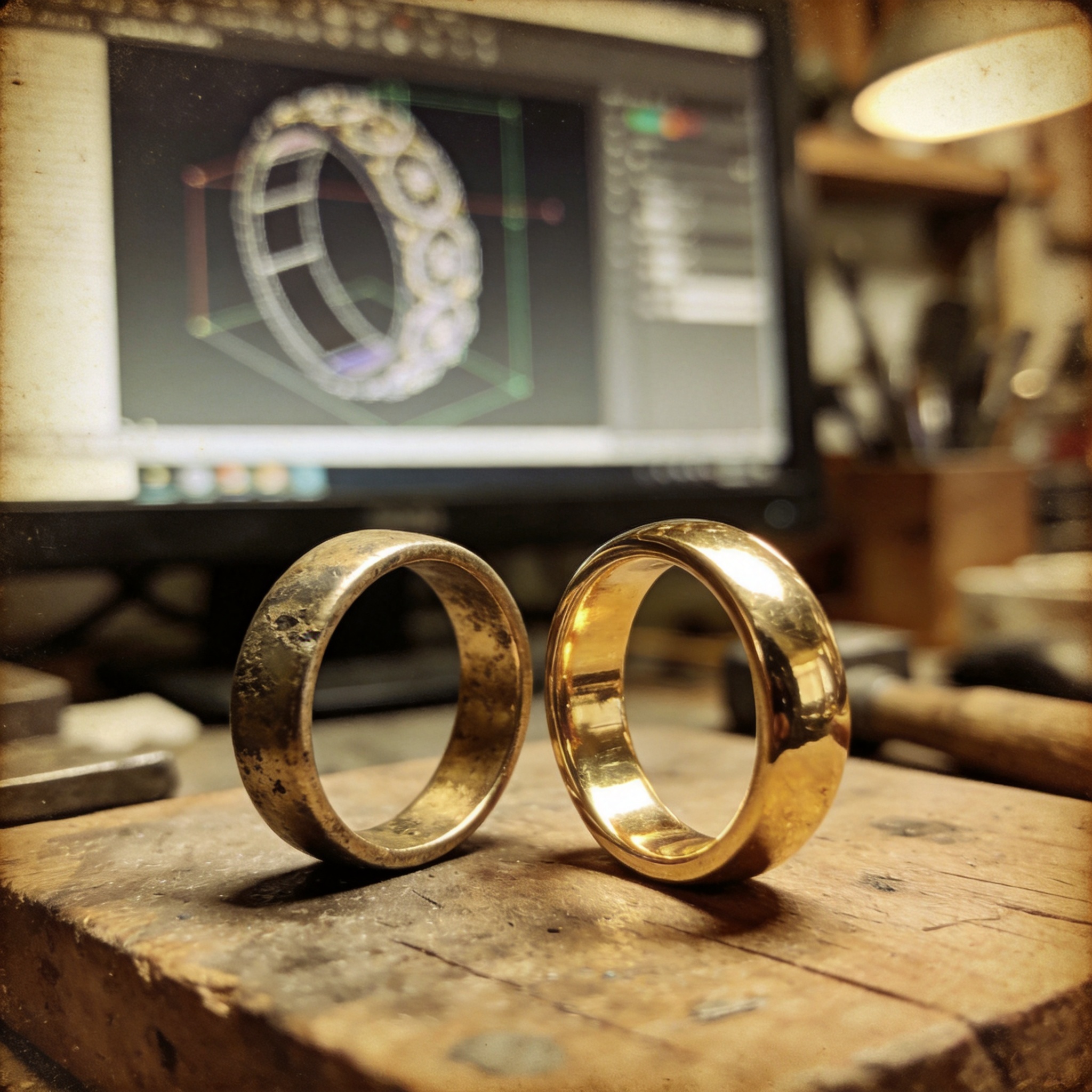
Pieces over about $2,000 — especially engagement rings — usually belong on a jewelry rider or specialty policy, which costs roughly 1–2% of value annually and covers loss and theft, not just mysterious disappearance. Keep your CAD approval renders, invoice and any grading report together; they are what an insurer or future appraiser will want.

Written by
Lisa M.
Lead Jewelry Designer · 25+ years at the bench. Lisa has designed custom pieces for clients in 60+ countries, from single-name necklaces to heirloom redesigns.